
Market Pricing

Rocky Mountain Area Natural Gas Daily Price Review – January 2026

Brian Jeffries

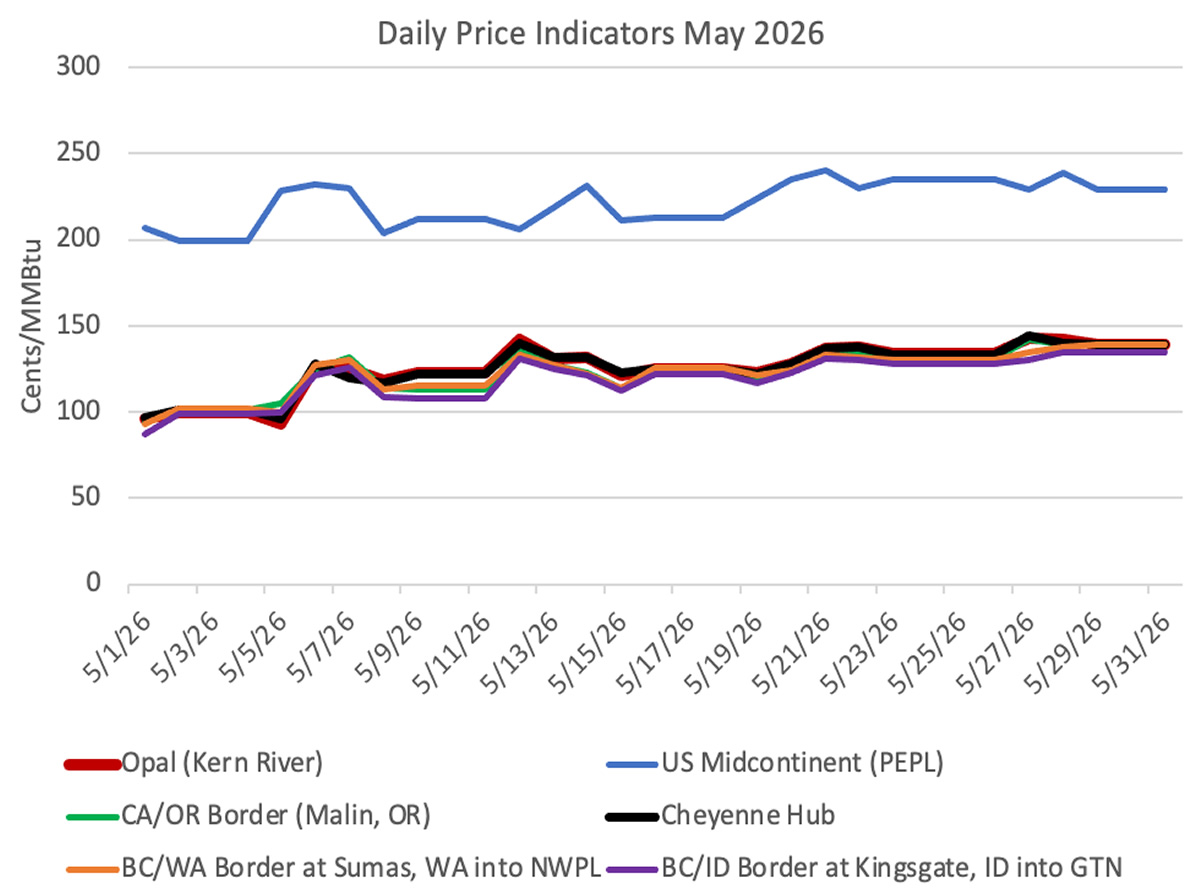
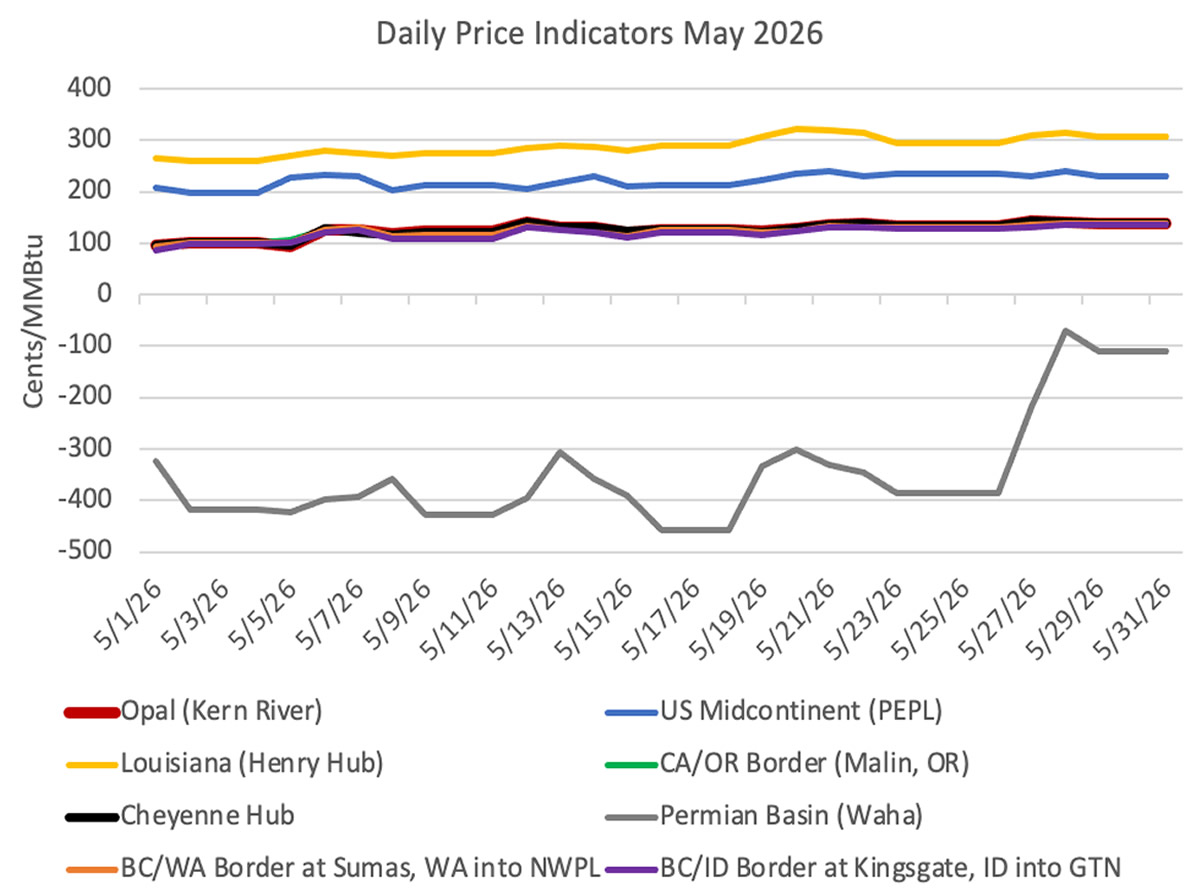
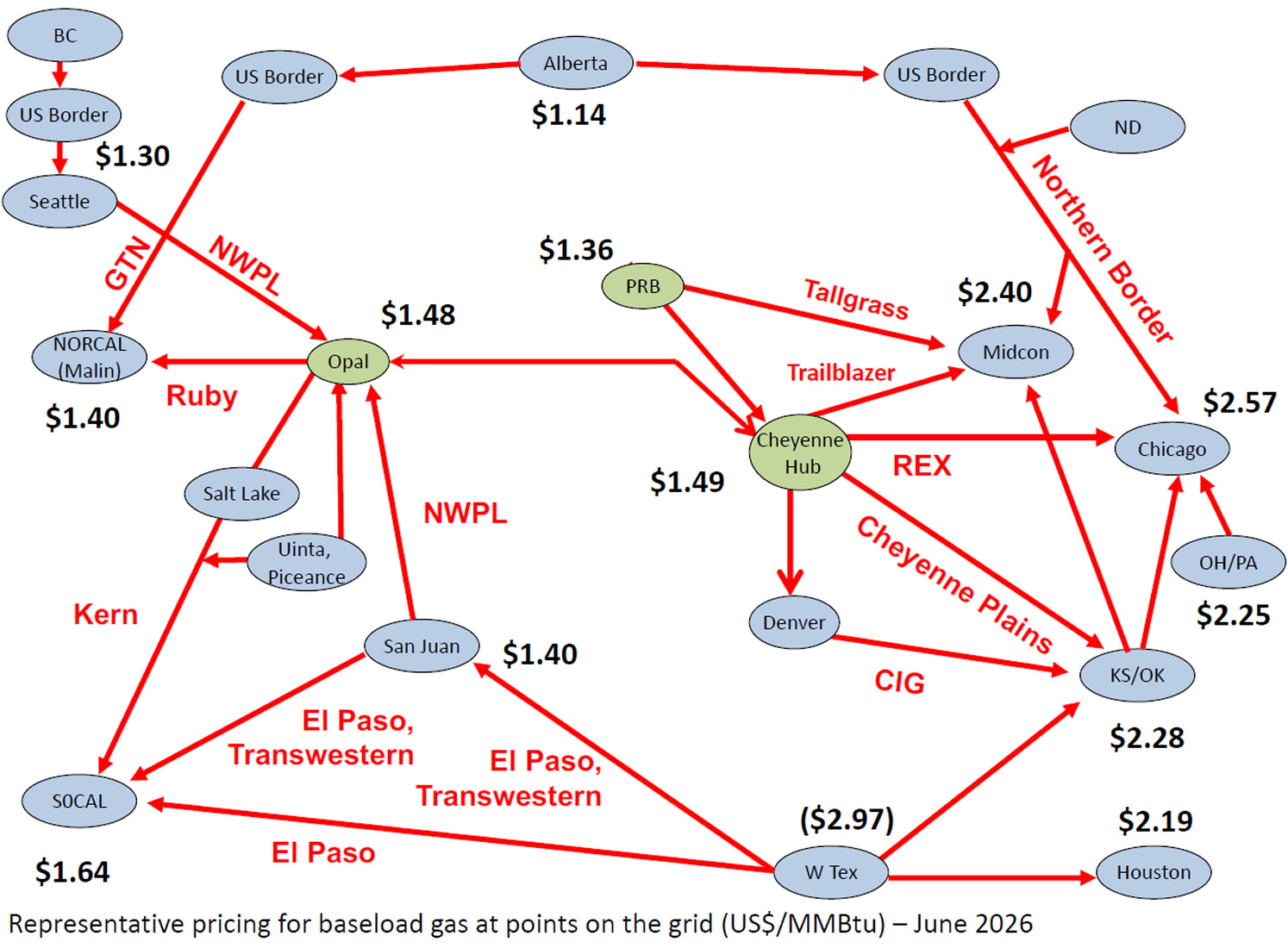
The graphs of daily prices in January 2026 offer a dramatic illustration of what happens when unusually cold weather grips a portion of the US. In late January, cold weather in the midcontinent and eastern US quickly increased natural gas demand in the middle and eastern portions of the country. Daily prices in the New England/New York area hit $90/MMBtu and prices in the midcontinent hit $40/MMBtu. Those prices served to pull gas from the Rockies area into the midcontinent with an associated positive impact on Rockies prices. However, as the cold abated, prices quickly fell back to more normal ranges and Rockies prices declined in sympathy. Note that during this large run up in daily prices in the Midwest, prices in the Pacific Northwest (Sumas) and Northern California (Malin) changed little.

Keep in mind that daily prices typically represent 10 to 20 percent of total production. The impact of a few days of extraordinary pricing on the overall price for a month is muted by the much larger share of gas priced as a fixed price established at the start of the month and that applies to each day of the month.

The first chart below depicts the daily cash price for natural gas at Opal and at the Cheyenne Hub for each day in January 2026. Also shown are prices at some key locations downstream from Wyoming going to the west and going to the midcontinent region and the price for Waha, TX which represents the Permian Basin. Canadian supplies from Alberta (through Kingsgate, ID, the purple line on the first chart) and from British Columbia (through Sumas, WA, the orange line on the first chart) remained low in comparison to prices in SW Wyoming.

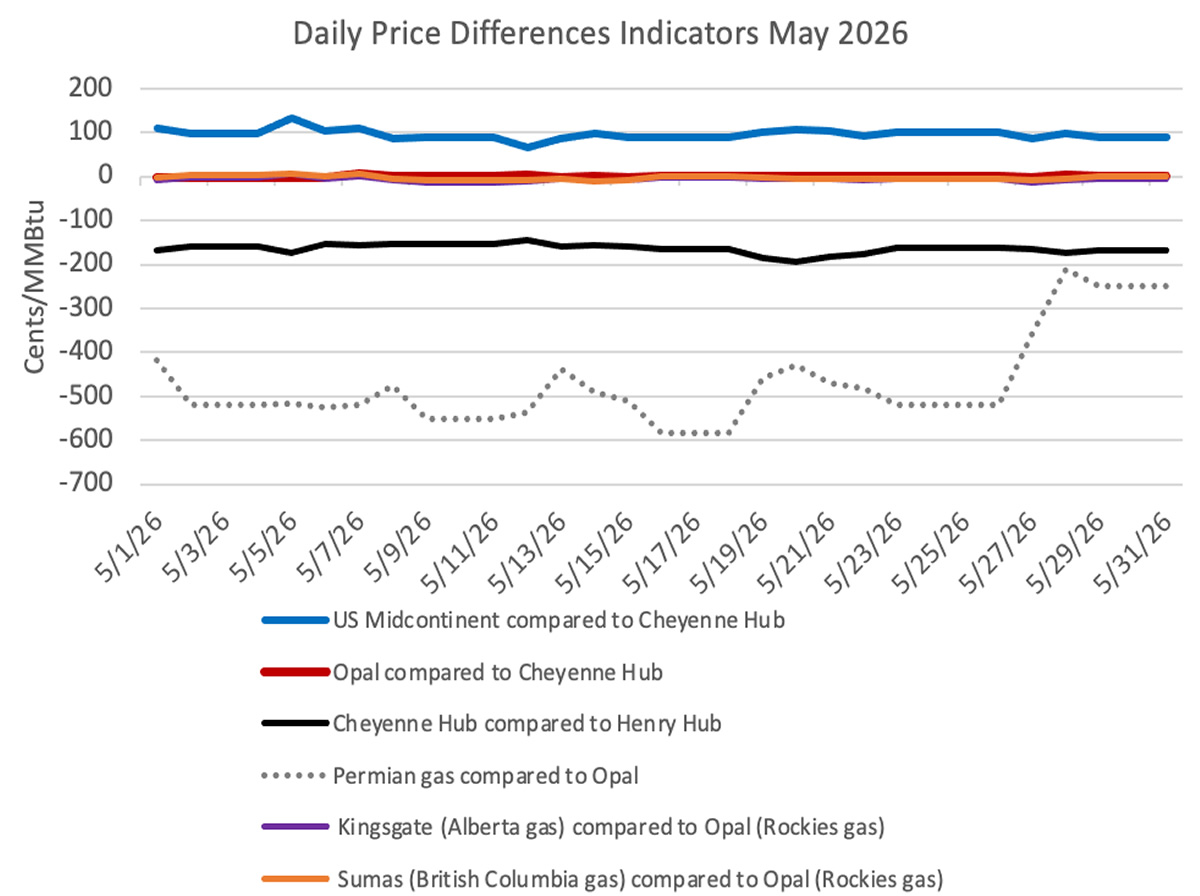
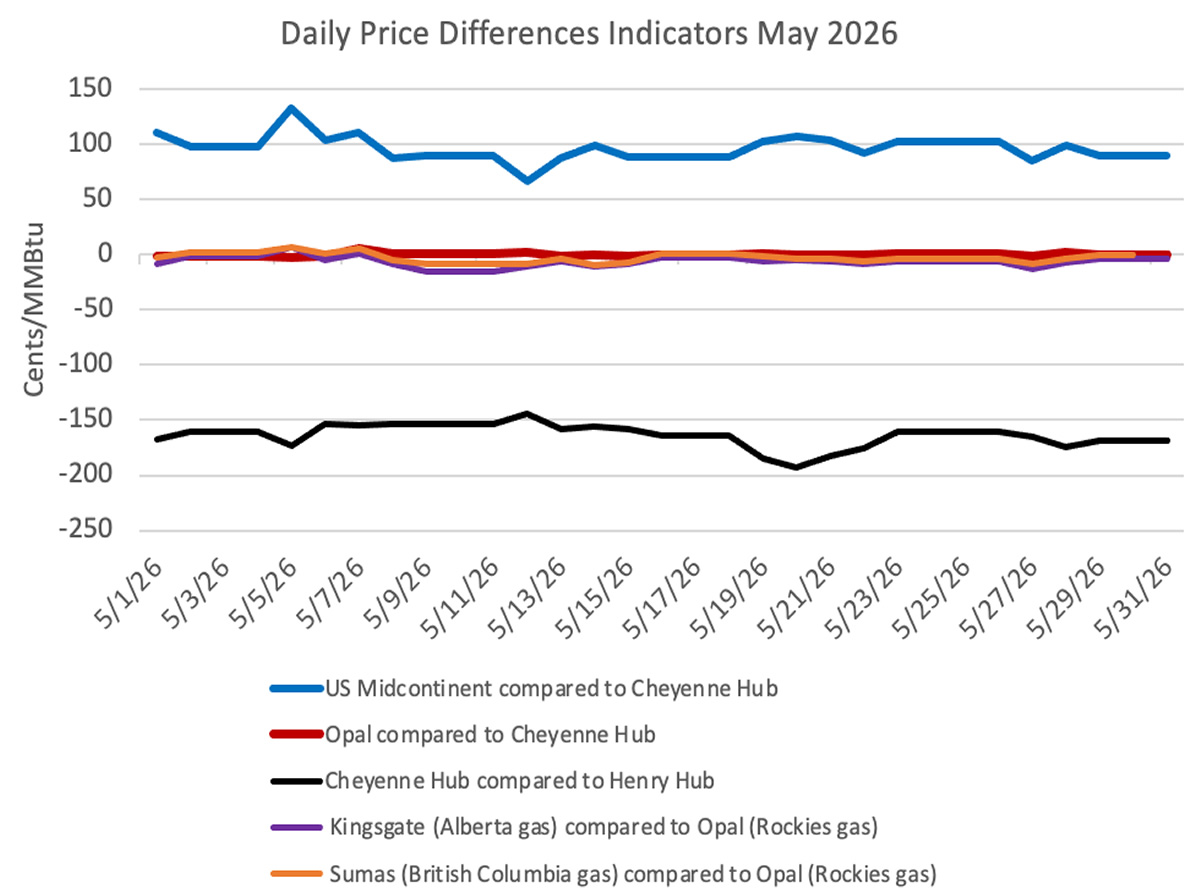
The second chart includes lines for the difference between Opal (Rockies gas) and Sumas (British Columbia gas) and for the difference between Opal and Kingsgate (Alberta gas) and for the difference between Opal and the Permian Basin. A negative value in the orange, purple and dashed grey lines depicts the extent to which British Columbia gas, Alberta gas and Permian gas respectively, were cheaper than Rockies gas in the daily market during January 2026.